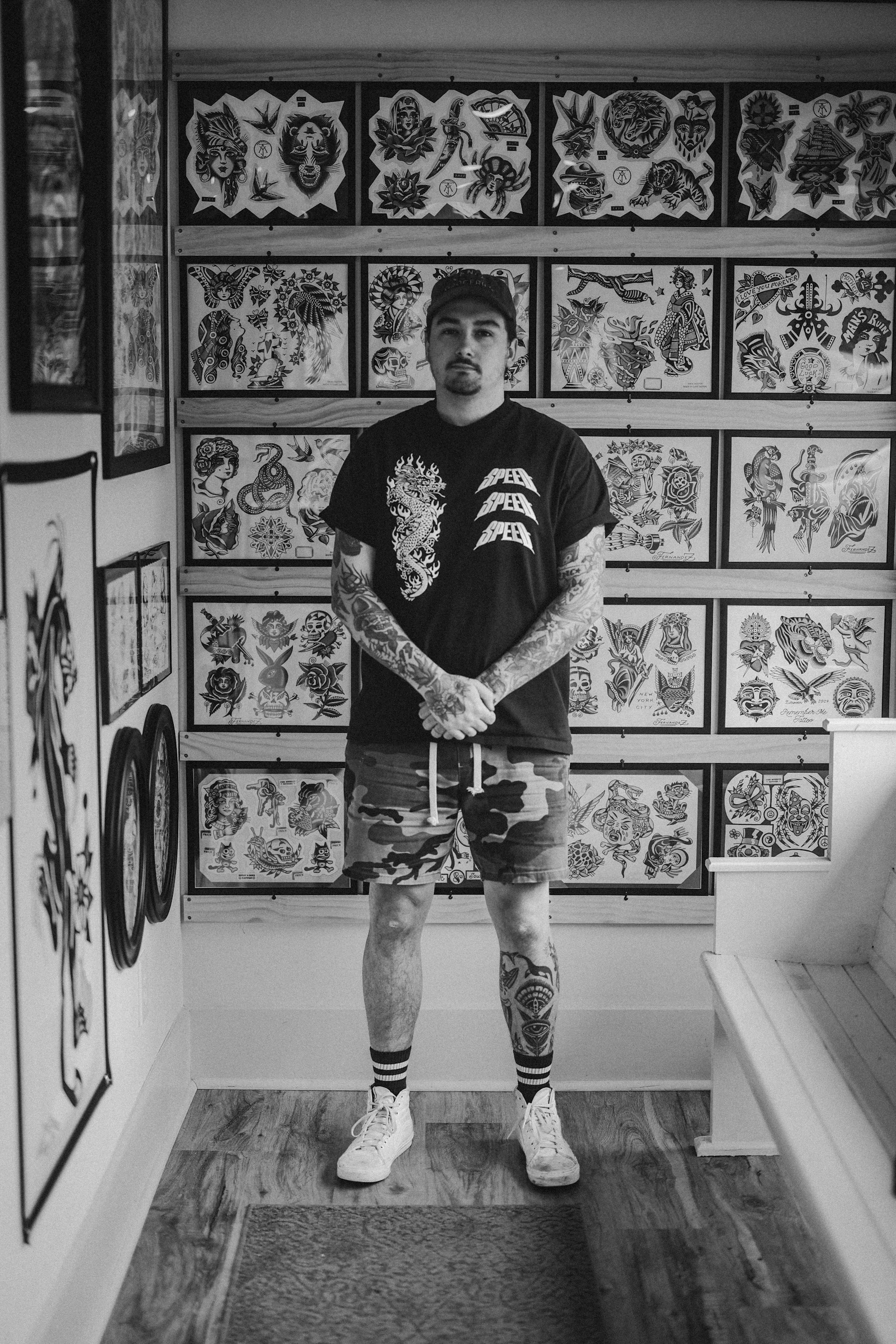
STUDY THE ART. RESPECT THE CONTEXT.
The image is visible.
Look beyond
the frame.
Tattoo arts education, knowledge and heritage: cultural references, artistic learning, hygiene awareness and responsible studio questions. IBTA does not conduct examinations or issue practice permissions.
Explore Tattoo Arts & HeritageExplore Learning LibraryTHE IDEA BEHIND THE READING ROOM
A reference can
start a conversation.
Context makes it useful.
Who made the work? Which source describes it? What does the image establish, and what remains outside its frame?
Read with the creator, place, date and purpose in view. Keep a paper study distinguishable from a practical method, and an interpretation distinguishable from a sourced account.
Our educational purposeTHE SUBJECT INDEX
Three fields.
A more attentive reading.
01Tattoo history
The source & its context+
A QUESTION TO EXPLORE
Read the maker, place and perspective behind a reference.
Identify the creator, institution or practitioner behind a tattoo-history reference. A documented object, a personal account and a broad survey offer different kinds of evidence.
- Who produced this account?
- Which place, date and purpose belong with it?
- What perspective remains outside the frame?
02Design learning
The drawing & its question+
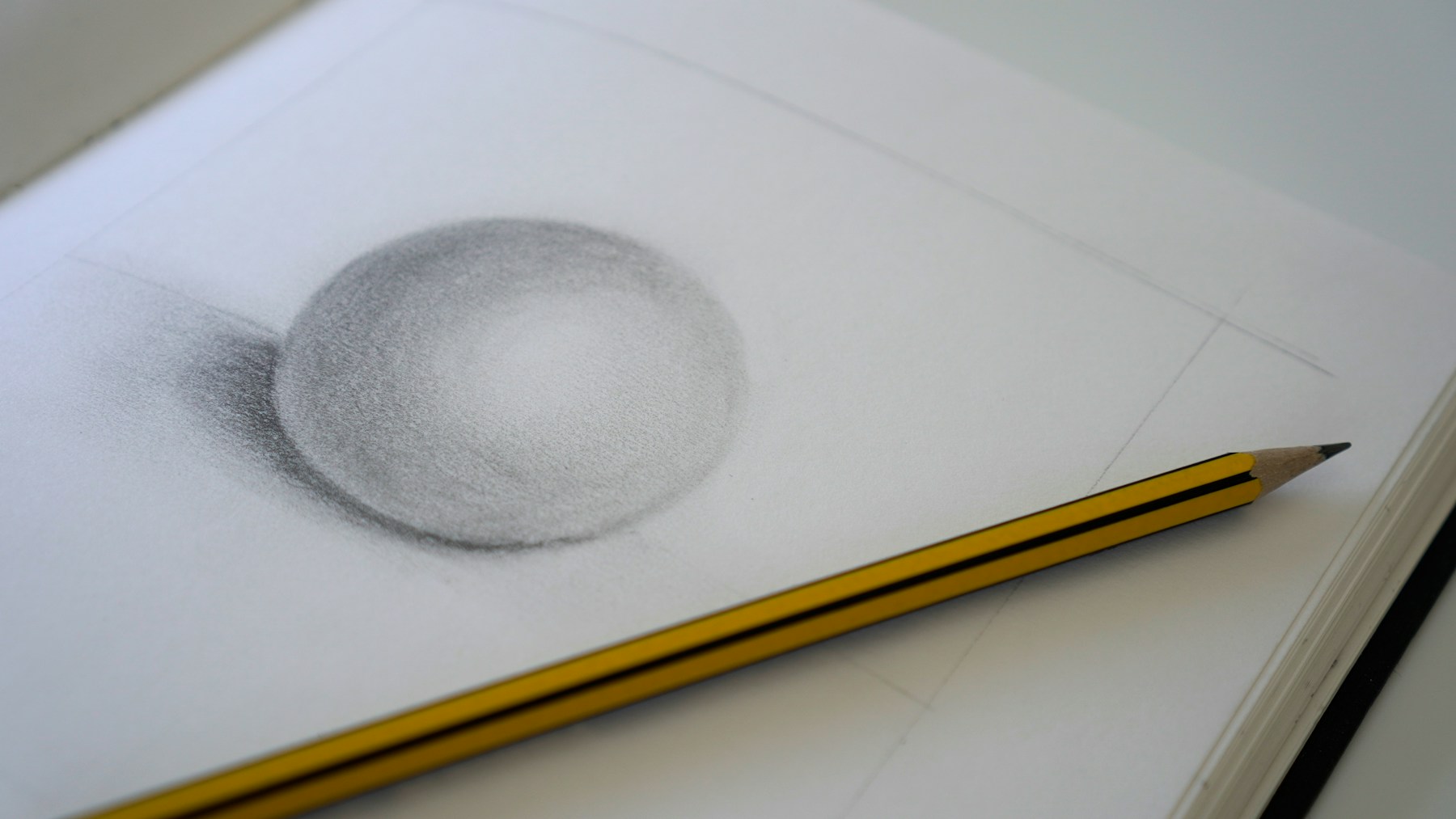
A QUESTION TO EXPLORE
Explore visual relationships through original paper studies.
A paper-based visual study can explore line, shape, rhythm and negative space. State the creative brief and the relationship you want to discuss before comparing alternatives.
- Which relationship is being studied?
- What changed between alternatives?
- What does the paper exercise leave outside its scope?
03Studio hygiene education
The learning & its scope+
A QUESTION TO EXPLORE
Identify the responsible source before treating reading as practice.
A studio-learning discussion should identify the responsible educator, intended activity and the protocol or current local requirement that governs it. A publication can help frame those questions without authorising the work.
- Who is responsible for the intended activity?
- Which current protocol and approved scope apply?
- Which question needs a qualified source?
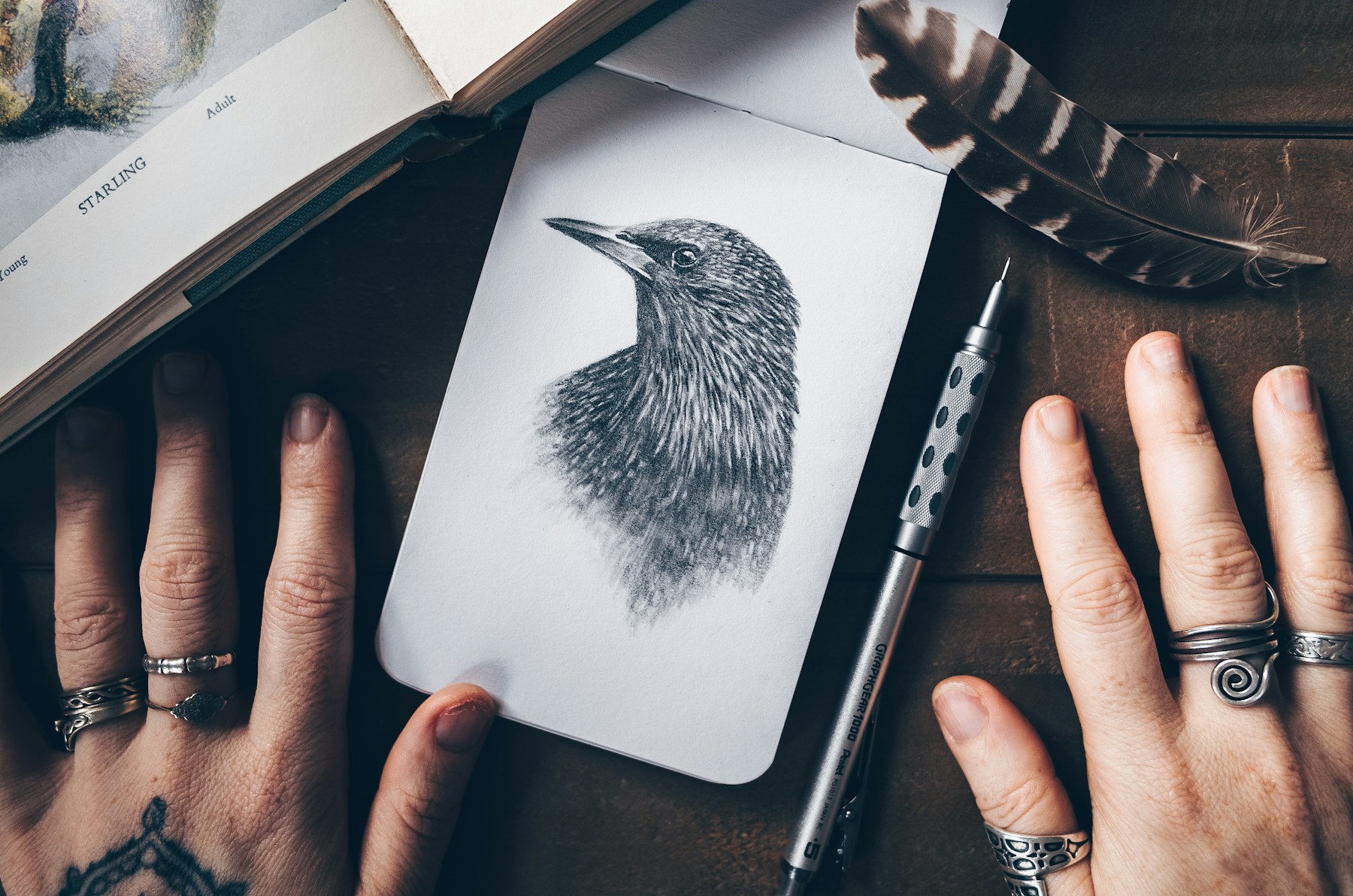
THE SOURCE TRAIL
Keep the maker
beside the meaning.
A photograph, a drawing and a later interpretation can involve different people and different rights. An attributable reference makes those contributions available for discussion.
Read context & attributionThe original source.
Your observation.
The question still open.
CHOOSE A READING PATH
Follow a question.
Keep a source trail.
BEGIN WITH YOUR QUESTION
A curated reading sequence. It does not create a course, qualification or practical authorisation.
YOUR READING SEQUENCE
Keep the source in the frame.
Read how attribution, context and a visible source trail make a history question more precise.
ON PAPER / IN CONTEXT
A line.
A relationship.
A different reading.
Explore a visual question through original paper studies. Explain the brief and what changed between alternatives.
Open the paper-study guideA PUBLICATION HAS A DEFINED ROLE
Learning questions
need their own context.
This is a private educational knowledge publication. It is not a government or statutory board, university, examination operator or qualification-awarding authority. The name does not establish regulatory recognition.
Articles do not provide invasive instruction, medical guidance or permission to practise. Ask the responsible qualified provider about actual scope, protocols and supervision.
Read the learning boundariesOur editorial principles