Give the reference an identity
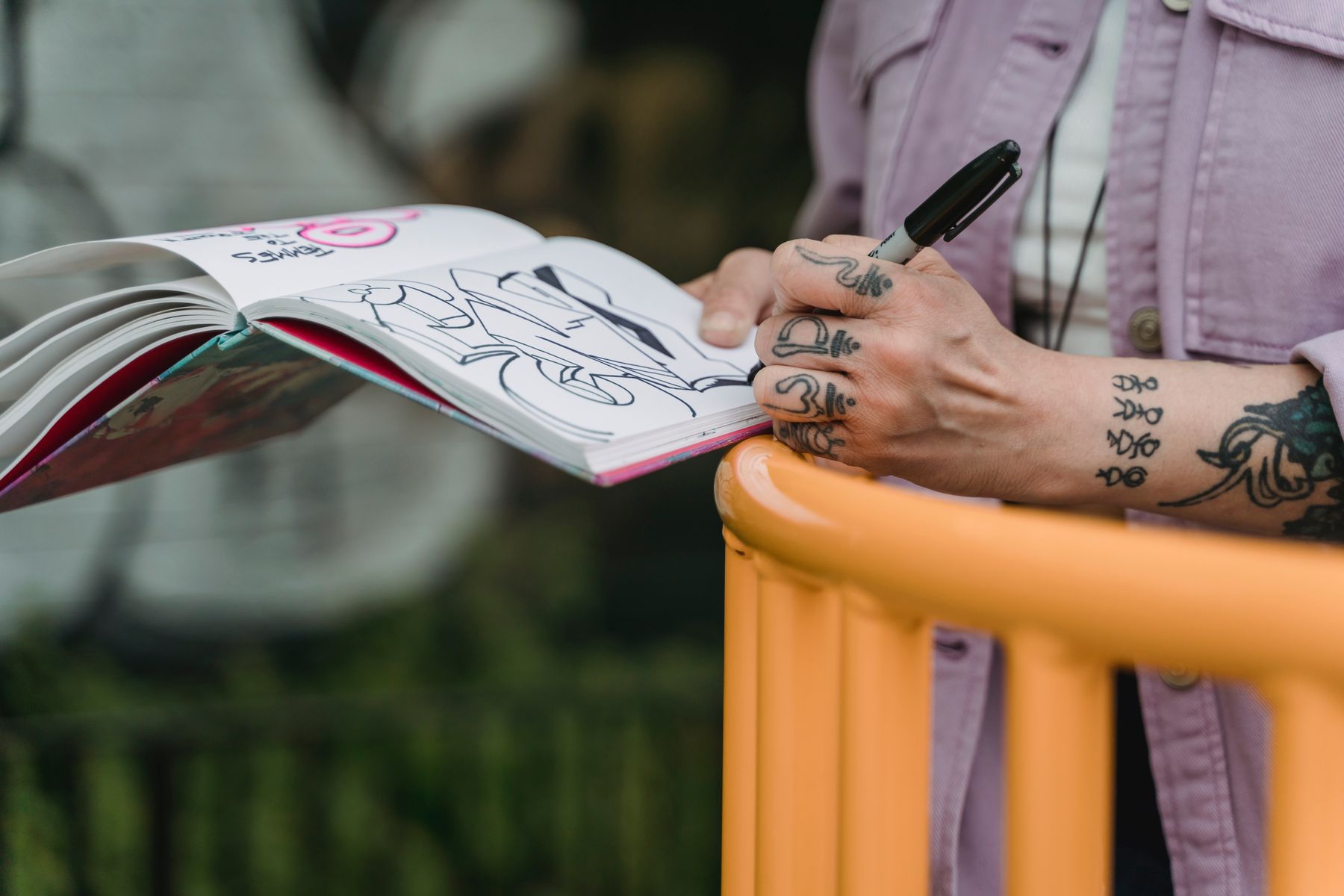
Record the original creator or organisation, title, source link and date where relevant. Note the edition or publication context when it changes the reading. A saved image without its source can become difficult to attribute and easy to misinterpret later.
Write an observation before an interpretation
Describe the detail that drew your attention. Then explain what you think it may mean, keeping the two accounts distinct. Attribute an interpretation that came from someone else rather than allowing it to become an unattributed fact in your own notes.
Keep a question open
Identify the one point you want the next source or discussion to clarify. A notebook is more useful when it preserves uncertainty than when it presents an incomplete reference as a finished explanation. Ask which responsible source is needed for technical or current claims.
Review the record before sharing
Check the credit, permissions and intended audience. Keep client, learner and other private information out of a general reading notebook offered for publication. A personal reference collection does not automatically establish rights to reproduce the material in an article or public presentation.