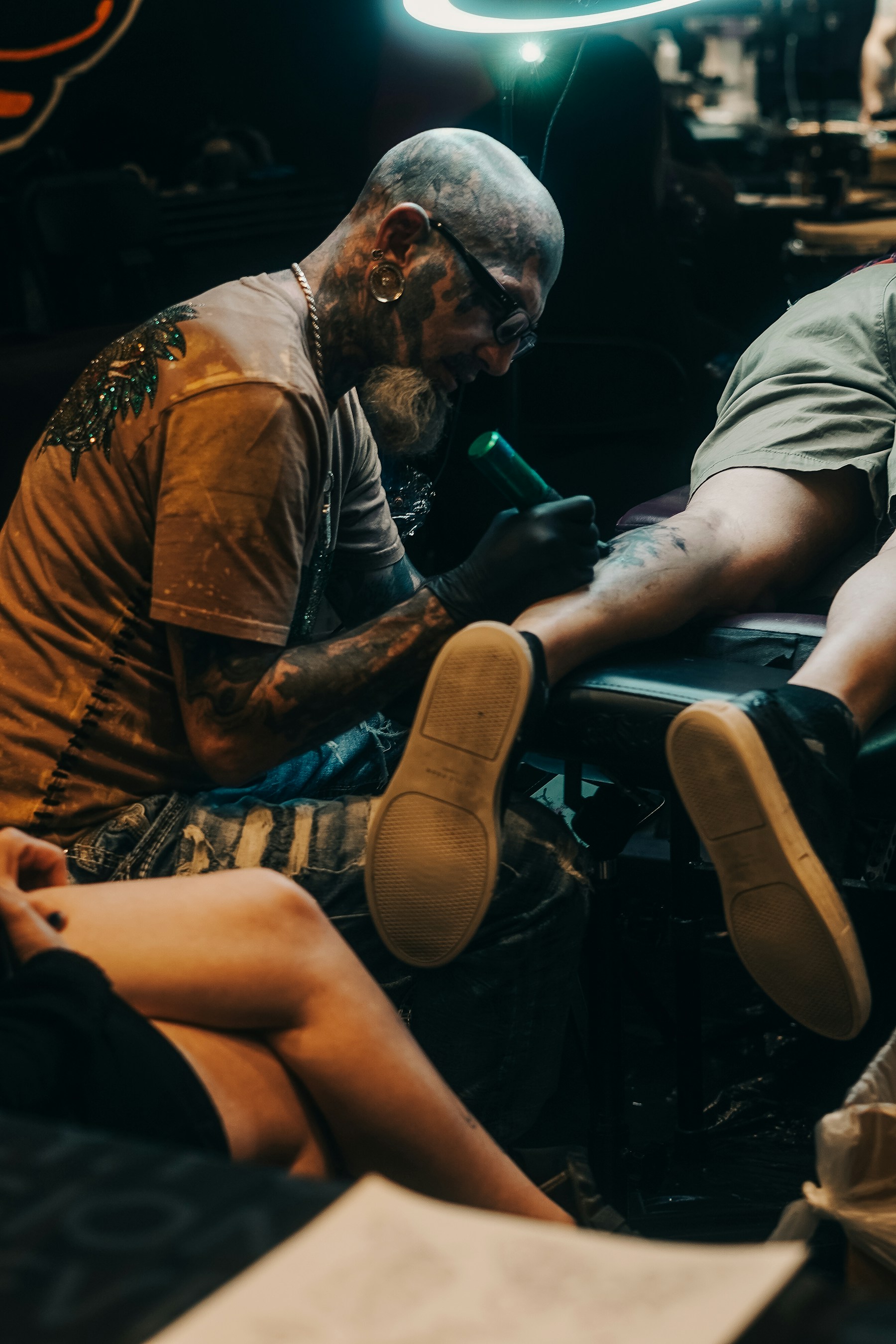
A studio-learning discussion should identify the responsible educator, intended activity and the protocol or current local requirement that governs it. A publication can help frame those questions without authorising the work.
Do not use a reading note as invasive instruction, medical guidance or a licence. Ask the responsible provider how eligibility, supervision, consent and escalation are actually organised.
QUESTIONS FOR A CLOSER READING
- Who is responsible for the activity?
- Which scope is approved?
- Which question requires a qualified source?
Keep a usable source trail
Record the original creator or organisation, title, relevant date and source context. Separate what the material states from your interpretation. A short excerpt or photograph should not replace the complete responsible reference.
Write down the unresolved point
A useful next step is a precise question for another source or discussion. Practical methods, suitability and professional progression require the responsible qualified provider. A reading note does not issue a qualification, prescribe an invasive task or authorise practice.