Start with what is visible
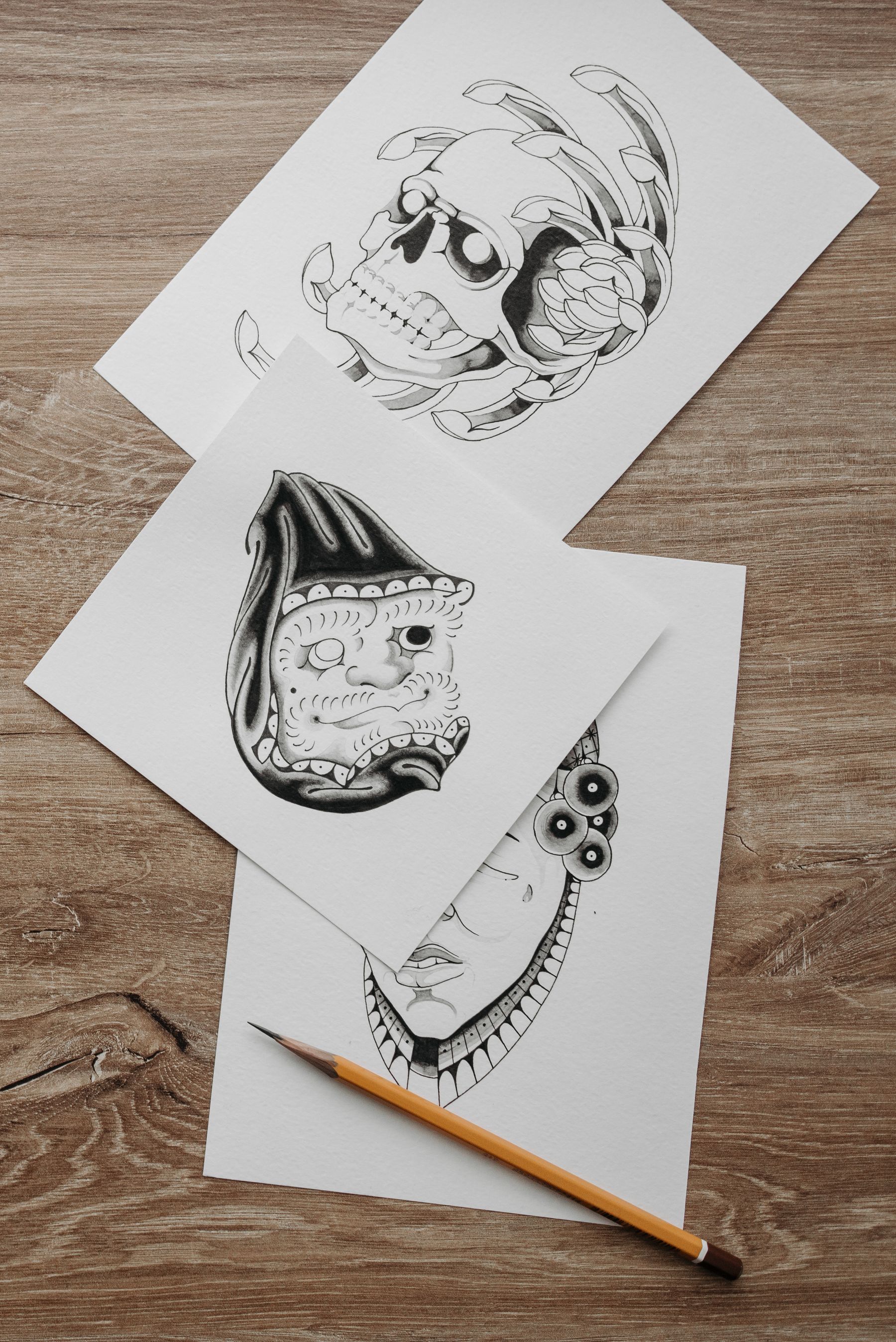
Describe the line, shape, rhythm, contrast or arrangement you can actually observe. Keep that description separate from an explanation of how the work was produced. A photograph may show a finished surface while leaving its scale, conditions, collaboration and process outside the frame.
Locate the maker and the image
Identify the artist, photographer and original publication where they are known. The person who made the work and the person who made its photograph can have different roles and rights. A repost or an unattributed image can remove the account that makes a reference intelligible.
Ask what the image leaves out
Consider the date, place, purpose, viewpoint and any relevant explanation from the responsible source. Avoid turning one image into a claim about an entire community or a complete technical method. A careful reading should make uncertainty visible rather than fill a gap with an invented account.
Keep the next question specific
Write down what you observed, which source you consulted and what you still need to clarify. A visual study can support discussion about composition without establishing practical readiness, body-placement suitability or permission to reproduce another person's work.