Identify whose account you are reading
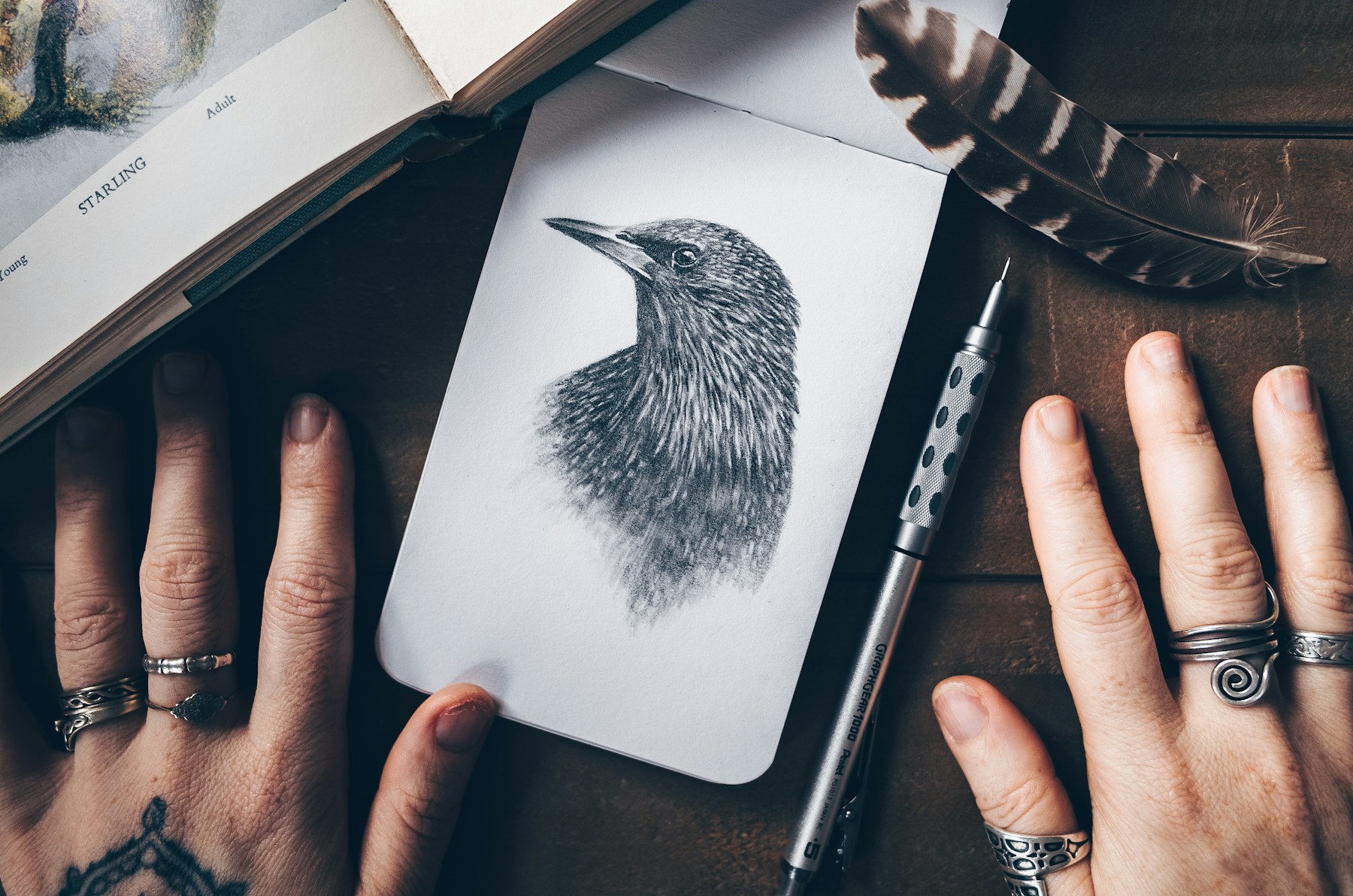
A practitioner, artist, institution, collector and later commentator may speak from different positions. Name the actual source and describe the kind of evidence it provides. Avoid allowing a broad label to conceal who made a statement and the context in which it was made.
Preserve place and purpose
Keep relevant place, date, intended audience and publication context attached to a reference. An object or image can travel between settings while its meaning is represented differently. The task of a reading note is to make the source trail clearer, not to claim authority over an entire tradition.
Credit the contribution accurately
Distinguish the creator of the work, its photograph and the interpretation being discussed. State what belongs to you and ask about permissions before proposing reproduction, adaptation or publication. A publicly visible reference does not automatically grant unrestricted reuse.
Leave room for a correction
Record where your interpretation remains provisional and what another responsible source could clarify. If a published passage needs correction, identify the exact claim and source rather than replacing one unsupported generalisation with another. Ask the editor which review process applies.