Occupational exposure awareness
NIOSH identifies blood and bloodborne-disease exposure as a workplace concern for tattooists and piercers. Its body-art material is a US occupational-health reference, not an IBTA rule or a statement of law everywhere. Read the NIOSH source ↗
Training questions to clarify
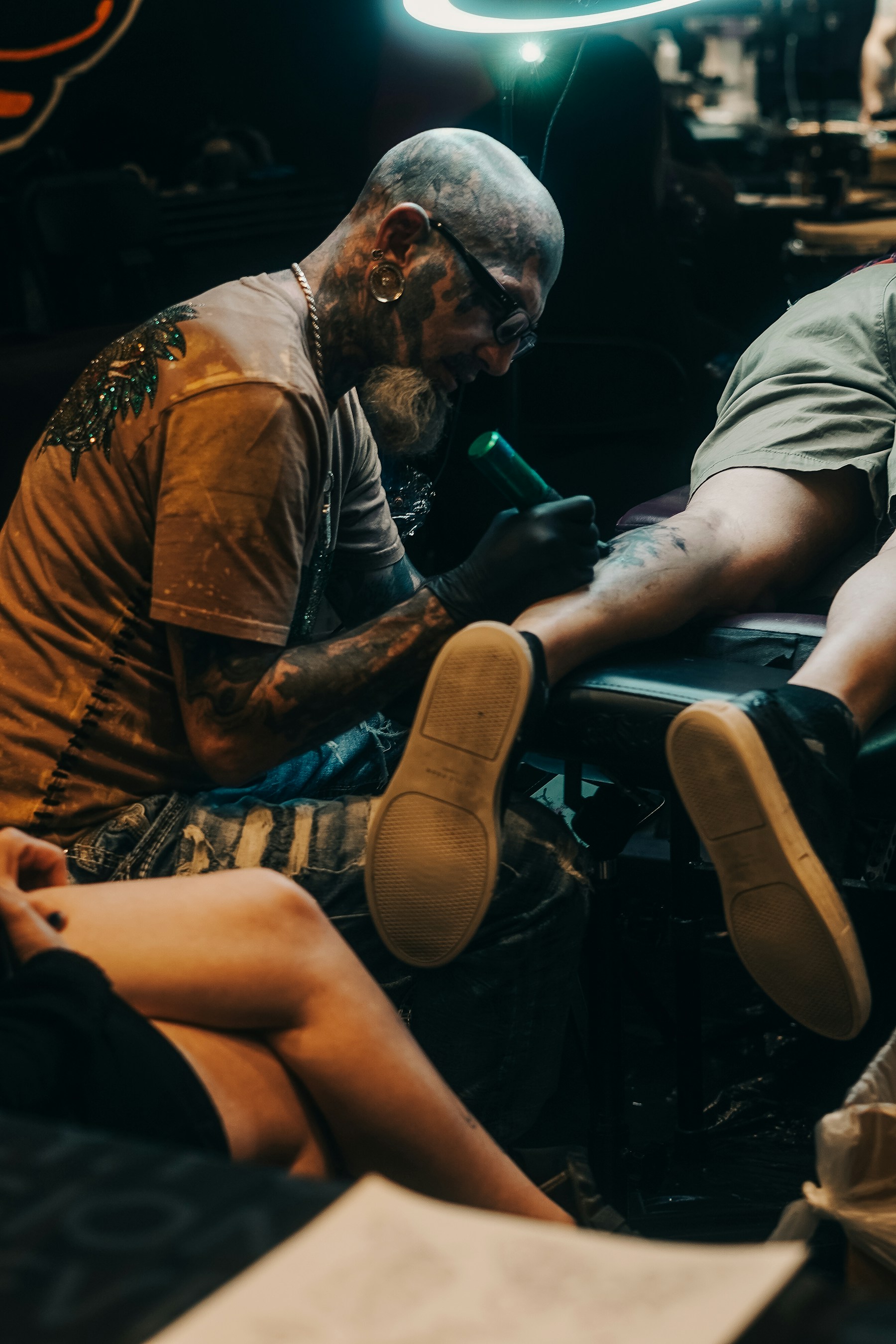
Ask the responsible qualified educator about infection prevention, hand hygiene, single-use equipment, clean and contaminated work areas, protective equipment and exposure response. Confirm which procedures, training and supervision apply in the actual setting. This is a discussion checklist, not a complete operating protocol.
Sharps and waste
Ask how used sharps are contained and disposed of, who manages the waste stream and which local requirements apply. Do not infer compliant waste handling from a photograph, an attractive studio or a directory badge. Obtain the actual local guidance and qualified instruction.
Ink and product context
The US FDA describes infection risks from contaminated tattoo ink, including ink in sealed containers, and explains that unhygienic practices and equipment can also cause infections. Keep product information and local requirements distinct from marketing claims. Read the FDA source ↗
Aftercare and health concerns
Obtain appropriate aftercare information from the responsible practitioner and qualified healthcare advice for health concerns. FDA advises contacting the tattooist and a healthcare professional when a tattoo seems not to be healing or a rash develops, especially with fever. This page does not diagnose, prescribe treatment or replace medical care.
Guidance is not universal law
The linked US sources have their own jurisdiction and publication context. Confirm current local requirements with the responsible authority. IBTA does not inspect studios, certify hygiene, enforce rules or guarantee safety. Source links reviewed 30 October 2026.